
The Allure of Casino Games
The world of casinos is designed to captivate and entice players, drawing them into a realm where excitement and anticipation reign supreme. The design of these establishments, from the bright lights to the sounds of winning, taps into human psychology by stimulating our senses. This deliberate sensory overload creates a thrilling environment that encourages players to engage with various games. Many players often seek the best options for their experience, so considering the top bitcoin casino can also enhance their enjoyment. The allure of a possible jackpot fuels the excitement, pushing players to take risks they might not consider in everyday life.
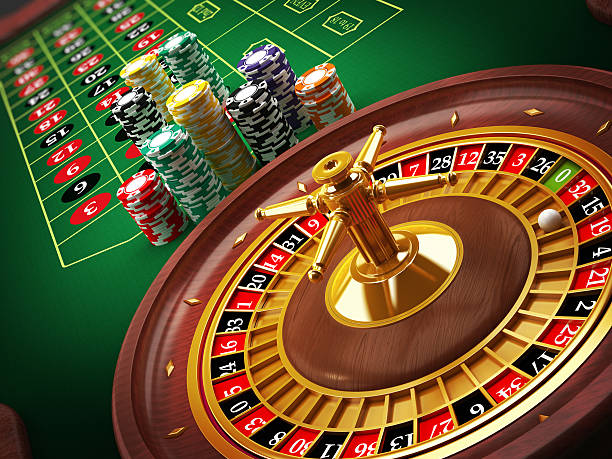
Additionally, the social aspect of casinos plays a significant role in attracting players. Many individuals enjoy the camaraderie and interaction that comes with gaming. Whether it’s joining a group at a blackjack table or sharing a laugh over a slot machine, the communal experience enhances enjoyment and can lead to longer gaming sessions. The combination of sensory appeal and social interaction creates a potent mix that keeps players returning to casinos.
The Role of Cognitive Biases
Cognitive biases significantly influence player behavior in casinos, often leading them to make irrational decisions. One common bias is the “gambler’s fallacy,” where players believe that past outcomes affect future results. For instance, a player may think that after a series of losses at a roulette table, a win is due. This belief can lead to increased betting, often resulting in more significant losses. Understanding these biases can help players approach gambling more rationally and responsibly.
Moreover, the concept of “near-misses” is a psychological strategy employed by gambling games. When a player almost wins—such as landing two cherries on a slot machine—this can trigger feelings of excitement and motivate them to continue playing. This mechanism, combined with cognitive biases, creates a cycle that can lead to extended gambling sessions and potential addiction.
Emotional Experiences and Gambling
The emotional highs and lows associated with casino games profoundly influence player behavior. Winning can lead to euphoric feelings, reinforcing a player’s desire to gamble again. This emotional rollercoaster, characterized by moments of joy, frustration, and anticipation, contributes to the appeal of gambling. Many players become addicted to the thrill of play, seeking those high-stakes moments that bring adrenaline and excitement, often overlooking the risks involved.
Conversely, losses can lead to feelings of disappointment and frustration, sometimes resulting in a “chasing losses” behavior. This phenomenon occurs when players continue to gamble in an attempt to recoup their losses, which often leads to even greater expenditures. Recognizing the emotional triggers of gambling behavior is crucial for understanding how players navigate the casino experience.
The Influence of Technology on Player Behavior
In recent years, advancements in technology have transformed the way people engage with gambling, making it more accessible and appealing. Online casinos and mobile gaming have broadened the audience, allowing more individuals to partake in gambling activities from the comfort of their homes. This convenience can lead to increased gambling frequency, as players have 24/7 access to games they enjoy.
Furthermore, technology has ushered in innovative gaming experiences that enhance player engagement. Virtual reality (VR) casinos and gamified experiences create immersive environments that can intensify the emotional and sensory appeal of gambling. Such technological advancements not only attract a younger demographic but also reshape the traditional casino landscape, highlighting the impact of innovation on player behavior.

The Importance of Responsible Gambling and Online Safety
As the understanding of casino psychology grows, so does the need for responsible gambling practices. Players must be educated about the psychological mechanisms at play to make informed decisions and avoid potentially harmful behaviors. Casinos and online gaming platforms are increasingly implementing responsible gambling measures, offering tools such as self-exclusion and limits on spending to promote safer play.
Additionally, a focus on online safety is paramount, especially as digital gambling continues to rise. Websites must prioritize the protection of their users, deploying advanced security measures to safeguard personal and financial information. By fostering a responsible gambling culture and ensuring a secure environment, both players and establishments can engage positively with the gaming experience.